
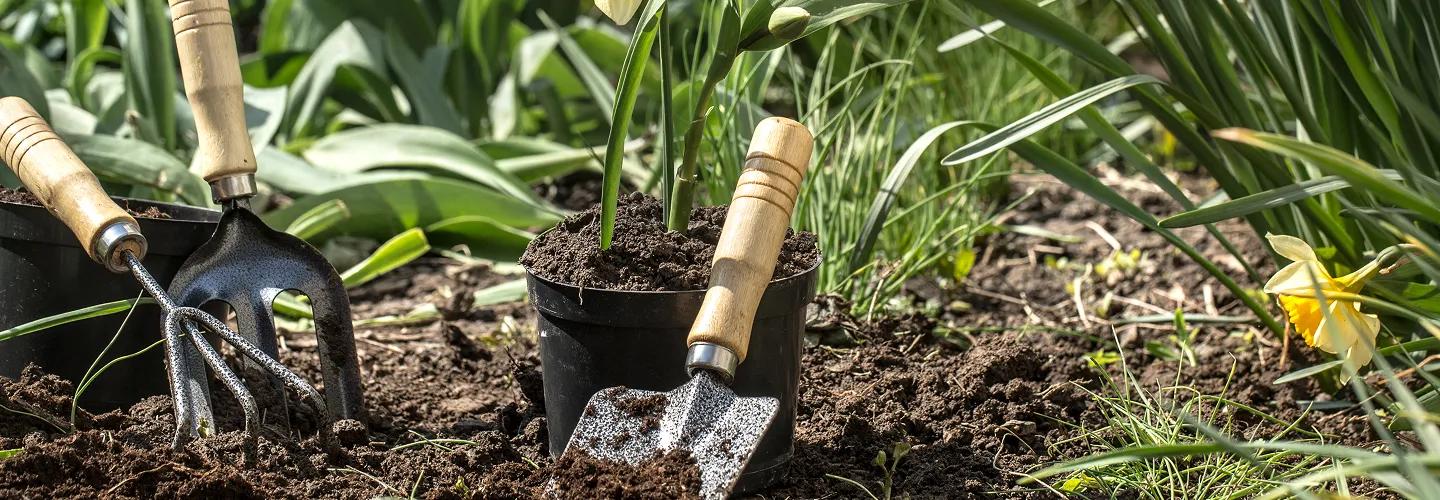
Citrus Park Flower Planting Services
Choose our flower planting services for vibrant, expertly arranged blooms that enhance your home's curb appeal and create a welcoming outdoor oasis tailored to your style.
Get a Free QuoteOur Citrus Park Landscaping & Yard Care Services
When to Schedule Flower Planting in Citrus Park, Florida – Seasonal Guide
Flower planting in Citrus Park, Florida, is best scheduled with careful attention to the region’s subtropical climate and unique landscape features. The optimal planting windows are typically late winter through early spring and again in early fall, when temperatures are moderate and rainfall is more predictable. These periods allow new blooms to establish strong roots before the intense summer heat or occasional winter chills. Neighborhoods near Big Cat Rescue or along Gunn Highway often experience microclimates due to varying tree cover and proximity to water bodies, which can influence planting success.
Local environmental factors such as the last frost date—usually in early February—should be considered, as well as the area’s sandy, well-draining soils and high humidity levels. Drought risk can increase during late spring, so selecting drought-tolerant varieties and planning irrigation is essential. Homeowners in subdivisions like Citrus Park Village or near the Upper Tampa Bay Trail may also need to account for shade from mature oaks and municipal landscaping guidelines. For more information on local planting regulations, visit the official town website.
Local Factors to Consider for Flower Planting in Citrus Park
- Tree density and shade coverage, especially in established neighborhoods
- Soil type and drainage, with sandy soils common in the area
- Seasonal precipitation patterns and drought risk
- Proximity to landmarks like Big Cat Rescue or Upper Tampa Bay Trail
- Municipal restrictions or HOA guidelines on landscaping
- Terrain variations, including low-lying or flood-prone areas
Benefits of Flower Planting in Citrus Park
Expert Landscaping Services
Customized Garden Designs
Seasonal Plant Selection
Enhanced Curb Appeal
Eco-Friendly Practices
Reliable Local Team

Citrus Park Flower Planting Types

Annual Flower Beds
Seasonal color displays using vibrant annuals for maximum visual impact.
-
Perennial Gardens
Long-lasting blooms that return year after year for sustainable beauty.
-
Native Plant Landscapes
Utilizing Florida-native flowers for low-maintenance and eco-friendly gardens.
-
Pollinator-Friendly Plantings
Flower selections designed to attract bees, butterflies, and other pollinators.
-
Shade Garden Flowers
Specialized plantings for areas with limited sunlight.
-
Drought-Tolerant Flower Beds
Resilient flower varieties that thrive in dry conditions.
-
Container Flower Arrangements
Versatile flower displays in pots and planters for patios and entryways.
Our Flower Planting Process
Site Evaluation
Soil Preparation
Plant Selection
Careful Planting
Watering and Mulching
Why Choose Citrus Park Landscape Services
-
Citrus Park Homeowners Trust Us
-
Expert Lawn Maintenance
-
Reliable Scheduling
-
Competitive Pricing
-
Professional Team
-
Satisfaction Guarantee
-
Personalized Service
Coordinating Flower Planting with Citrus Park’s Parks and Recreation Department
Flower planting in Citrus Park, FL, often involves coordination with the Hillsborough County Parks and Recreation Department, especially for projects in public spaces, medians, or community entrances. Residents and property managers planning installations in these areas should be aware that the department oversees standards for plant selection, irrigation, and ongoing maintenance to ensure public safety and aesthetic consistency. For private properties, while direct approval is not typically required, it is advisable to consult the department for guidance on Florida-Friendly Landscaping™ principles and to verify if any adjacent public right-of-way or easement is affected. When planning a community or HOA-wide planting initiative, early communication with Parks and Recreation can help align plant choices with local environmental goals and maintenance expectations.
- Public-facing flower beds may require review for visibility and access.
- Use of reclaimed water for irrigation should be coordinated with county utilities.
- Community projects may be eligible for county-supported beautification programs.
Hillsborough County Parks and Recreation
601 E. Kennedy Blvd., Tampa, FL 33602
Phone: 813-635-3500
Official Website: Hillsborough County Parks and Recreation
How Citrus Park’s Gulf Coast Climate and Soils Shape Flower Planting
Citrus Park is situated in the Gulf Coast Florida region, characterized by a humid subtropical climate, high summer heat, and a pronounced wet season from June through September. These conditions directly influence flower planting success and maintenance. The area’s soils are predominantly sandy or fill-based, which can lead to rapid drainage and nutrient leaching, requiring careful soil amendment and mulching. Additionally, the high water table and proximity to canals and retention ponds mean that runoff from beds can quickly reach local waterways, making erosion control and responsible fertilizer use essential. Freeze risk is low but not absent, so tender annuals should be planted after the last expected frost, typically in late winter or early spring.
Key local conditions include:
- High rainfall during summer, increasing the risk of root rot and nutrient washout.
- Sandy soils that require organic matter incorporation for moisture retention.
- Intense sun exposure, especially in newer subdivisions with limited mature tree canopy.
Regulatory Requirements and Environmental Compliance for Flower Planting in Citrus Park
Flower planting on private property in Citrus Park generally does not require a permit unless the project involves significant grading, irrigation system installation, or work within a public right-of-way. However, compliance with county codes regarding visibility at intersections, drainage, and maintenance of swales is essential. For projects near storm drains, canals, or retention areas, it is critical to prevent soil, mulch, and fertilizer runoff, as required by the Clean Water Act and local MS4 (Municipal Separate Storm Sewer System) regulations. The Florida-Friendly Fertilizer Use Ordinance may apply to fertilizer applications, especially near water bodies. For large-scale or commercial installations, review by the Hillsborough County Development Services may be necessary to ensure compliance with site development and drainage standards.
- Confirm if your site is adjacent to a regulated waterway or public easement.
- Use only licensed applicators for any pesticide or herbicide use, per FDACS requirements.
- Maintain a buffer zone between flower beds and stormwater inlets.
Hillsborough County Development Services
601 E. Kennedy Blvd., Tampa, FL 33602
Phone: 813-272-5600
Official Website: Hillsborough County Development Services
Professional Flower Planting Methods and Seasonal Timing in Citrus Park
Successful flower planting in Citrus Park requires careful attention to both timing and technique, given the region’s climate and soil profile. Most annuals and perennials should be installed in late winter through early spring, after the risk of frost has passed, or in early fall to take advantage of milder temperatures and rainfall. Soil preparation is critical: incorporate organic matter to improve water retention in sandy soils and apply mulch to moderate surface temperatures and suppress weeds. Drip irrigation or micro-spray systems are recommended for efficient water use and to minimize runoff, as supported by EPA WaterSense Outdoors guidance. Select flower species rated for USDA Hardiness Zone 9b, which includes Citrus Park, and prioritize those tolerant of heat, humidity, and periodic heavy rainfall.
- Group plants by water needs (hydrozoning) to optimize irrigation.
- Avoid planting in low-lying areas prone to standing water during the wet season.
- Regularly inspect irrigation systems for leaks or overspray onto hardscape and storm drains.
What Neighborhoods Do We Serve Throughout Citrus Park, FL?
- Westchase This master-planned community features extensive HOA landscaping, reclaimed water irrigation, and mature shade trees that influence flower bed placement and species selection.
- Citrus Park Community Central Citrus Park includes a mix of older lots and newer subdivisions, with varying soil fill and drainage patterns affecting planting depth and runoff management.
- Fawn Ridge Known for its smaller lots and proximity to stormwater retention ponds, Fawn Ridge requires careful attention to buffer zones and runoff control in flower bed design.
- Eaglebrook This neighborhood’s larger lots and established landscaping provide opportunities for expansive flower beds, but also require coordination with irrigation schedules and maintenance routines.
- Mandolin Estates Mandolin Estates features newer construction with fill-based soils and limited mature canopy, making sun exposure and soil amendment key considerations for successful planting.
- Sheldon West With a mix of mobile homes and single-family residences, Sheldon West presents unique access and drainage challenges, especially near swales and canal edges.
- Sweetwater Creek Adjacent to natural preserves and water features, Sweetwater Creek properties must prioritize native and water-wise plantings to protect sensitive habitats and comply with environmental guidelines.